
Essential Inspection Checklist Items for Your Property

When it comes to buying or selling a property, or even managing commercial real estate, a thorough inspection is crucial. Knowing exactly what to look for can save you from costly surprises down the road. I’ve put together a detailed guide on the essential inspection checklist items you should never overlook. This will help you feel confident and informed every step of the way.
Why Inspection Checklist Items Matter
Inspection checklist items are the backbone of any property evaluation. They help you systematically assess the condition of a building, identify potential problems, and prioritize repairs or negotiations. Without a clear checklist, it’s easy to miss critical issues that could affect safety, value, or future maintenance costs.
For example, a small leak in the roof might seem minor but can lead to mold and structural damage if ignored. Similarly, faulty electrical wiring is a serious hazard that needs immediate attention. By focusing on key inspection checklist items, you ensure a comprehensive review that covers all the bases.
Key Inspection Checklist Items to Focus On
Here are the most important areas and components you should examine during a property inspection:
1. Structural Integrity
Start with the foundation, walls, and roof. Look for cracks, uneven floors, or signs of water damage. These can indicate serious structural problems.
Check for foundation cracks inside the basement or crawl space.
Inspect exterior walls for bulges or cracks.
Examine the roof for missing shingles, sagging, or leaks.
2. Plumbing System
Water issues can cause extensive damage and expensive repairs. Make sure to:
Test all faucets and showers for water pressure and leaks.
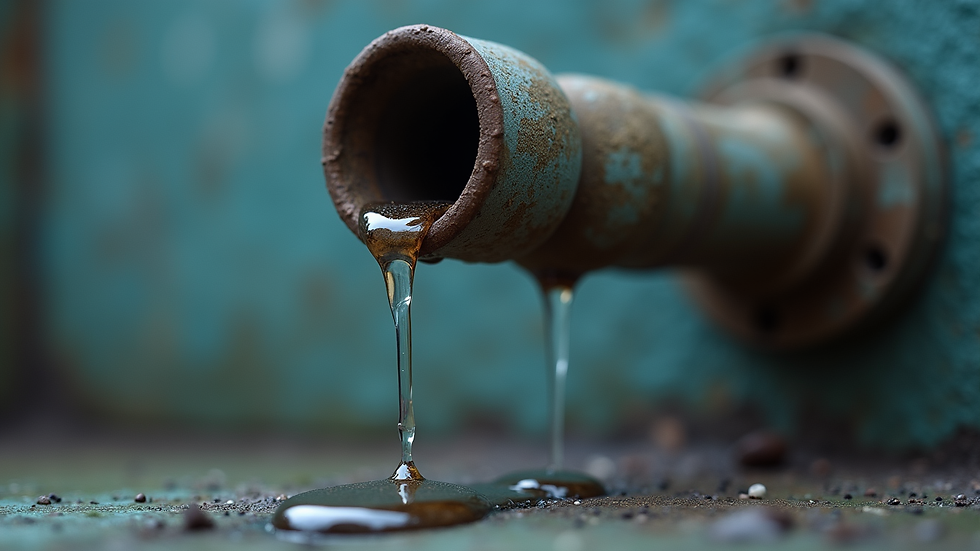
Inspect visible pipes for corrosion or damage.
Check the water heater for age and signs of rust or leaks.
Look for water stains on ceilings or walls that might indicate hidden leaks.
3. Electrical System
Safety is paramount when it comes to electrical systems. Key inspection checklist items include:
Testing all outlets and switches.
Checking the electrical panel for proper labeling and signs of overheating.
Ensuring GFCI outlets are installed in wet areas like kitchens and bathrooms.
Looking for exposed wiring or outdated fuse boxes.
4. HVAC System
Heating, ventilation, and air conditioning systems affect comfort and energy efficiency.
Test the heating and cooling units to ensure they work properly.
Check air filters and ductwork for cleanliness and damage.
Inspect the thermostat for accuracy and functionality.
5. Interior and Exterior Condition
Look beyond the basics to assess the overall condition of the property.
Doors and windows: Check for proper operation, seals, and signs of rot or damage.
Floors and ceilings: Look for stains, cracks, or uneven surfaces.
Exterior siding and paint: Inspect for peeling, cracks, or insect damage.
Gutters and downspouts: Ensure they are clear and properly attached.

Additional Inspection Checklist Items for Commercial Properties
Commercial properties often have unique features that require extra attention. Here are some additional inspection checklist items to consider:
Fire safety systems: Check alarms, sprinklers, and extinguishers.
Accessibility compliance: Ensure ramps, doors, and restrooms meet regulations.
Parking areas and landscaping: Look for cracks, potholes, and drainage issues.
Signage and lighting: Verify that exterior signs and lighting are functional and compliant.
How to Use a Property Inspection Checklist Effectively
Using a property inspection checklist is more than just ticking boxes. Here’s how to get the most out of it:
Prepare in advance: Review the checklist before your inspection to know what to expect.
Take notes and photos: Document any issues you find for future reference.
Ask questions: Don’t hesitate to clarify concerns with your inspector or the seller.
Prioritize repairs: Use the checklist to identify urgent fixes versus cosmetic updates.
Follow up: Schedule re-inspections if necessary, especially after repairs.
Empower Yourself with Knowledge
A thorough inspection using the right checklist items empowers you to make smart property decisions. Whether you’re buying a home, selling, or investing in commercial real estate, understanding what to look for protects your investment and peace of mind.
Remember, a property inspection is not just a formality. It’s a vital step that helps you uncover hidden problems, negotiate better deals, and plan for future maintenance. Keep this guide handy, and you’ll be well on your way to mastering the art of property inspection.
By focusing on these essential inspection checklist items, you’re taking control of your property’s future. And that’s a smart move you won’t regret.


Comments