
Factors Affecting Structural Inspection Cost Breakdown

When it comes to buying or selling a property, or even managing commercial real estate, understanding the condition of the building is crucial. A structural inspection provides that insight. But one question often comes up: What affects the cost of a structural inspection? Today, I’ll walk you through the key factors that influence the price, so you can plan your budget wisely and avoid surprises.
Understanding the Inspection Cost Breakdown
Before diving into specific factors, it helps to know what typically makes up the cost of a structural inspection. The price you pay covers several components:
Time spent on-site: The inspector’s hours evaluating the property.
Expertise and qualifications: More experienced engineers may charge more.
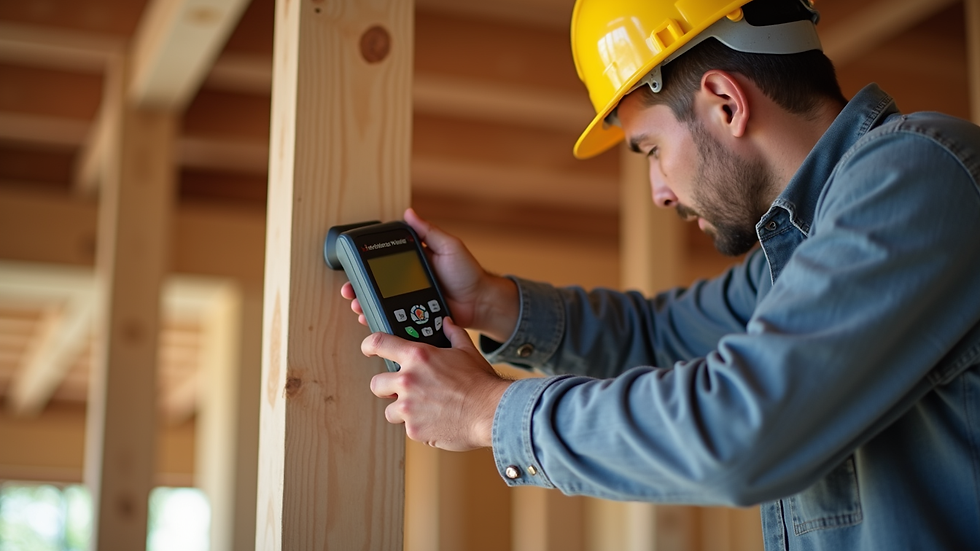
Equipment used: Advanced tools like moisture meters or drones can add to the cost.
Report preparation: Writing a detailed, easy-to-understand report takes time.
Travel and logistics: Distance and accessibility of the property can affect fees.
Each of these elements contributes to the overall inspection cost breakdown. Knowing this helps you understand why prices vary and what you’re paying for.

Key Factors That Influence Structural Inspection Costs
Now, let’s look at the main factors that can increase or decrease the cost of a structural inspection.
1. Size and Type of Property
The bigger the property, the more time it takes to inspect. A small residential home will generally cost less than a large commercial building. Also, different property types require different inspection approaches. For example:
Single-family homes usually have straightforward structures.
Multi-story buildings need more detailed checks on load-bearing walls and support systems.
Commercial properties might have complex frameworks, requiring specialized knowledge.
So, the size and complexity of the building directly impact the inspection time and effort, which in turn affects the price.
2. Age and Condition of the Building
Older buildings often have more issues to investigate. They might have outdated materials, hidden damage, or structural wear and tear. Inspectors need to spend extra time looking for:
Cracks in foundations or walls
Signs of water damage or rot
Corrosion in metal supports
Previous repairs or modifications
If the building is in poor condition, the inspection will be more thorough and take longer, increasing the cost.
3. Accessibility and Location
How easy is it for the inspector to access all parts of the building? If the property has tight crawl spaces, steep roofs, or hard-to-reach areas, the inspection becomes more challenging. This can require special equipment or additional safety measures.
Location also matters. If the property is far from the inspector’s base or in a remote area, travel time and expenses add to the cost.
4. Scope of the Inspection
Not all inspections are the same. Some clients want a basic overview, while others need a detailed structural analysis. The scope can include:
Visual inspection only
Non-destructive testing (e.g., infrared scanning)
Load capacity evaluation
Soil and foundation testing
The more comprehensive the inspection, the higher the price. It’s important to clarify what you need upfront to avoid paying for unnecessary services.
5. Experience and Credentials of the Inspector
Highly qualified structural engineers with years of experience often charge more. But this investment pays off because you get a more accurate and reliable assessment. Look for inspectors who are licensed, insured, and have good reviews.
Choosing the right professional can save you money in the long run by preventing costly surprises after purchase.
How much does a structural engineer charge for an inspection?
This is a common question, and the answer varies widely depending on the factors we’ve discussed. On average, structural engineers in Connecticut might charge anywhere from $300 to $1,000 or more for a typical residential inspection.
Here’s a rough idea of what influences the price:
Basic home inspection: $300 - $500
Detailed structural report: $500 - $1,000+
Commercial property inspections: Can exceed $1,000 depending on size and complexity
Keep in mind that some inspectors charge by the hour, while others offer flat rates. Always ask for a clear quote before scheduling the inspection.
Tips to Manage and Understand Your Structural Inspection Cost
Knowing what affects the cost helps you make smart choices. Here are some practical tips:
Get multiple quotes: Don’t settle for the first price. Compare services and fees.
Clarify the scope: Be clear about what you want inspected to avoid paying for extras.
Ask about experience: Choose inspectors with proven expertise in your property type.
Prepare the property: Make sure areas are accessible to reduce inspection time.
Review the report carefully: A detailed report is worth the cost. It helps you plan repairs or negotiate price.
By following these tips, you can get a fair price and valuable insights into your property’s condition.
Why Investing in a Structural Inspection is Worth It
Paying for a thorough structural inspection might seem like an extra expense, but it’s a smart investment. Here’s why:
Avoid costly repairs: Early detection of issues saves money down the road.
Negotiate better deals: Use the inspection report to ask for repairs or price reductions.
Ensure safety: Confirm the building is safe for occupancy.
Plan maintenance: Know what to watch for and when to act.
In Connecticut’s real estate market, where properties can vary widely in age and condition, a reliable inspection is essential. It empowers you to make informed decisions and protects your investment.
If you want to learn more about how to budget for your next property inspection, check out this detailed guide on structural inspection cost.
By understanding these factors, you’re better equipped to navigate the inspection process confidently. Remember, a good inspection is not just about the price - it’s about the peace of mind that comes with knowing your property’s true condition.


Comments